UK Heatwave at Work: How Branded Merchandise Supports Your Duty of Care
With red heat health alerts issued by the UK Health Security Agency across several English regions this week, UK employers are once again facing a familiar but genuinely serious question: what are we actually required to do to keep staff safe and comfortable in extreme heat?
September 11, 2026
5 min
Most of what's written on this topic falls into two separate camps. HR and legal guidance explains the duty of care in detail but stops short of practical products. Branded merchandise content lists summer promotional items but rarely connects them to the actual legal and wellbeing obligation driving the need. This piece sits between the two.
The Legal Position, in Plain Terms
UK law does not set a maximum workplace temperature. There is no single number that triggers an automatic right to leave or a legal closure threshold. What does exist is a duty under the Health and Safety at Work Act 1974, requiring employers to assess and manage heat as a workplace hazard and keep the working environment "reasonable."
Official guidance from the HSE, ACAS, and UKHSA converges on a consistent set of practical measures employers are expected to consider during extreme heat:
Providing chilled drinking water and actively encouraging hydration
Relaxing dress codes where practical, moving to lighter, looser fitting clothing
Increasing the frequency and duration of rest breaks
Enabling work in cooler parts of the premises, or from home where possible
Rotating staff between hotter and cooler tasks or locations
Where Branded Merchandise Actually Fits In
None of this requires a product purchase to be compliant, but several of the officially recommended measures translate directly into practical items that also happen to carry a brand well.
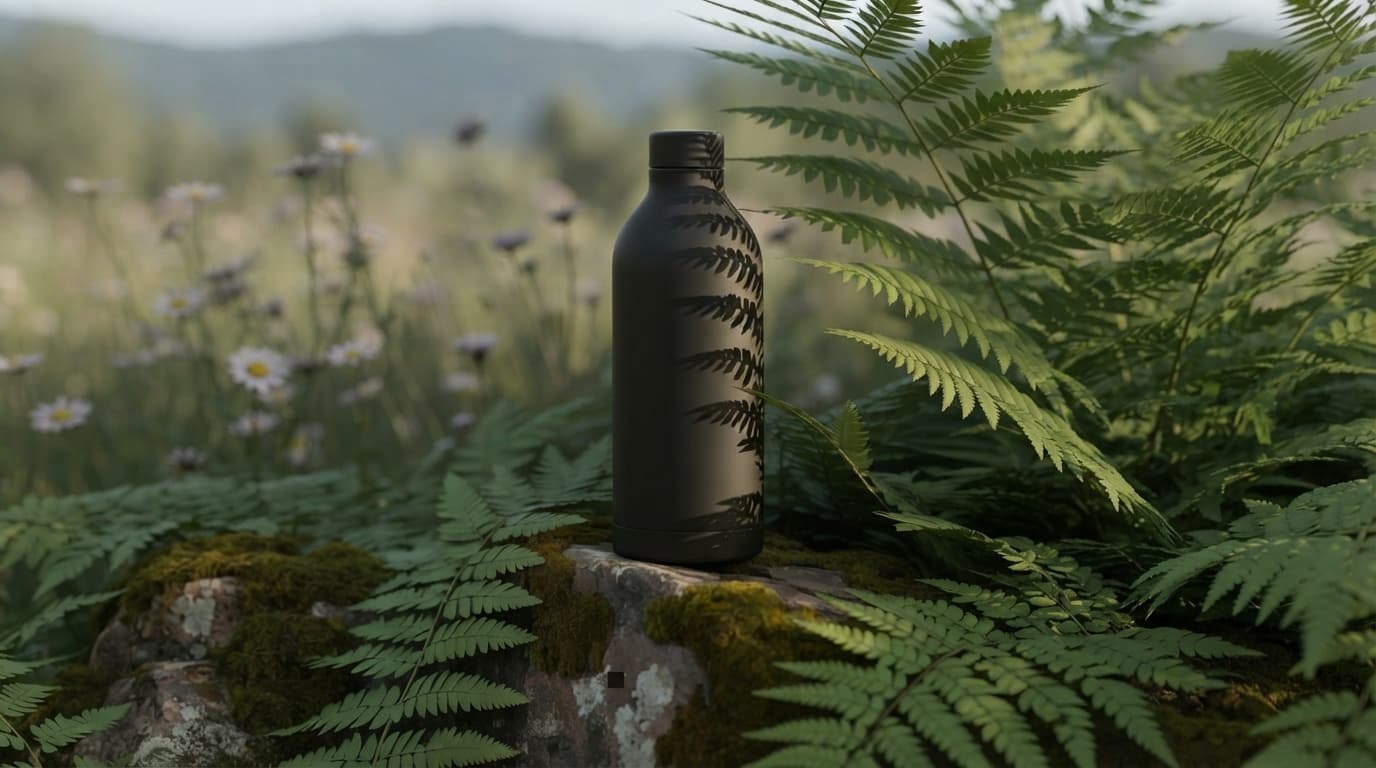
Reusable water bottles
Encouraging hydration is explicit official guidance. A branded, insulated water bottle placed on every desk (or handed out ahead of a forecast heat alert) is a direct, visible way to act on that guidance rather than simply stating it in an email.
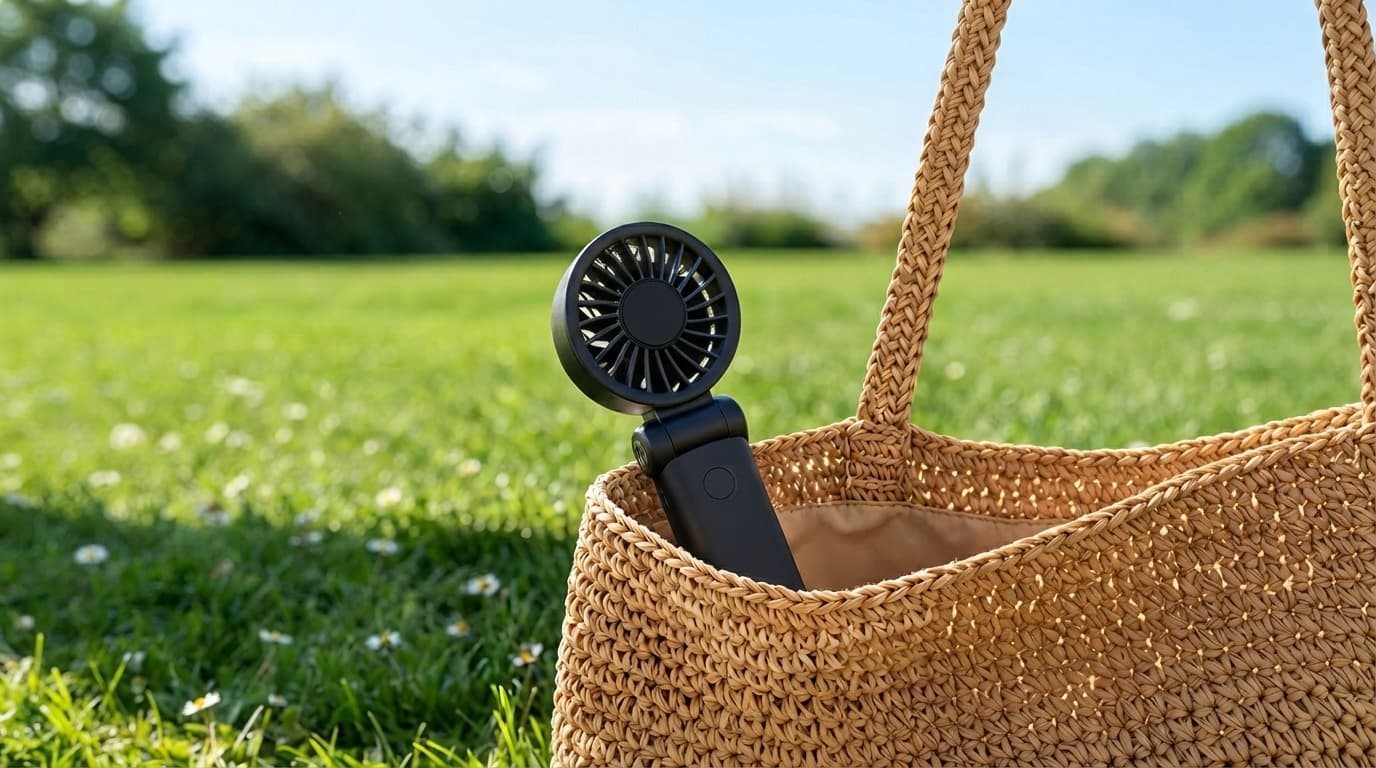
Desk and handheld fans
For offices without reliable air conditioning, a branded portable fan is both genuinely useful and a low cost way to demonstrate the business is taking the "reasonable working environment" duty seriously, rather than leaving staff to sort out their own solution.
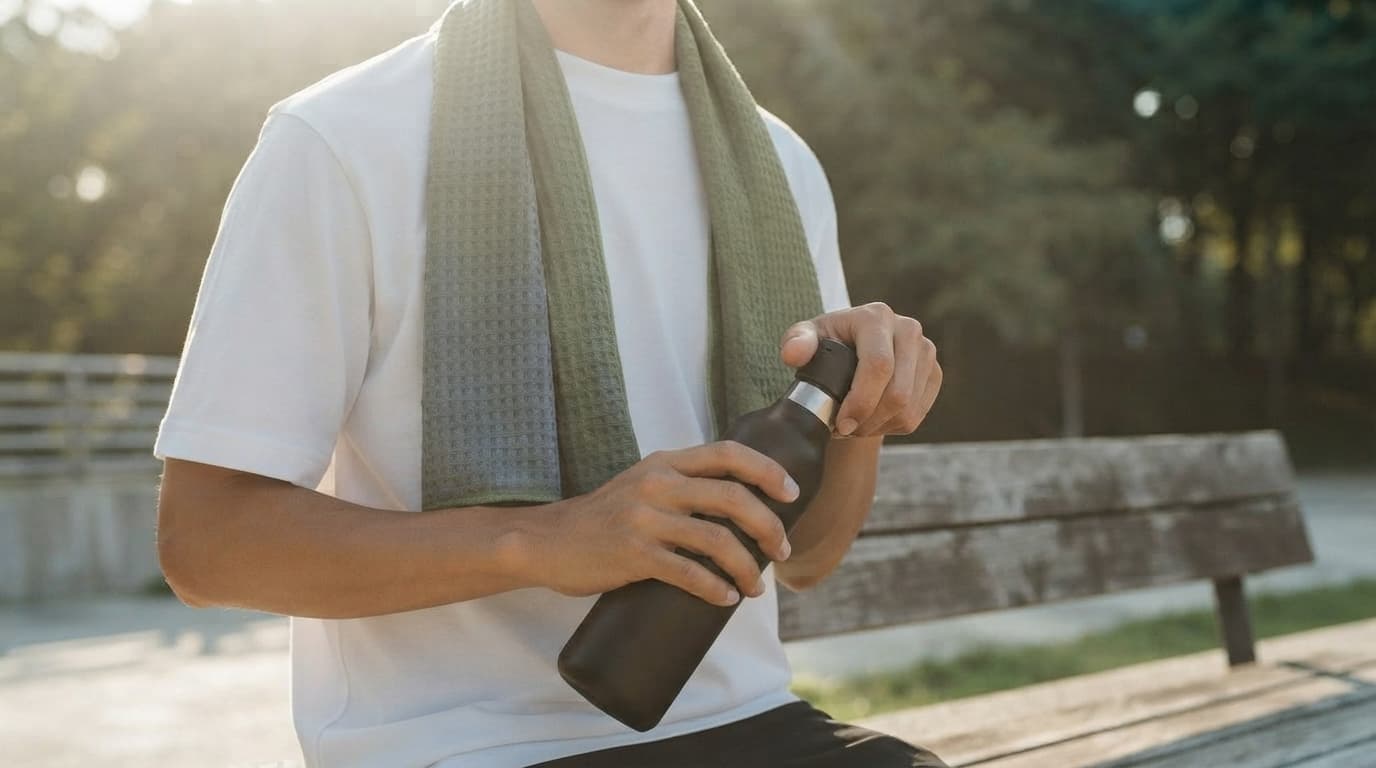
Cooling towels
Particularly relevant for staff in warehouses, delivery, or any physically active role where indoor climate control isn't an option, cooling towels support the same underlying comfort and safety guidance in a portable format.
Lightweight, breathable branded apparel
For businesses with a customer facing uniform, simply "relaxing the dress code" isn't always realistic, brand consistency still matters in front of clients. The more durable fix is uniform apparel specified for breathability, such as a lightweight recycled cotton t-shirt, and lighter fabric weight from the outset, rather than an ad hoc summer workaround.
A Word of Caution: Substance Over Gesture
It's worth being clear eyed about what these items can and can't do. A branded fan or water bottle supports the official guidance, it doesn't replace the underlying duty to assess heat risk, adjust working patterns, or take genuine action when conditions become unsafe. Treating merchandise as a substitute for a proper heat risk assessment would miss the point entirely. Used well, though, it's a tangible, visible way to act on guidance that often otherwise lives only in a policy document nobody reads until it's needed.
Planning Ahead of the Next Alert
UK heatwaves and heat health alerts are becoming a more regular seasonal event rather than a rare exception. Rather than scrambling to source items once a red alert is already issued, businesses with a customer facing or physically active workforce may find it worth having a small stock of hydration and cooling items ready to distribute at short notice, alongside the policy and communication side of a heat response plan.
Frequently Asked Questions
Is there a maximum legal temperature for UK workplaces?
No. UK law does not set a maximum workplace temperature, but employers have a legal duty under the Health and Safety at Work Act 1974 to assess and manage heat as a workplace hazard and ensure a reasonable working environment.
What are employers expected to do during a UK heatwave?
Official guidance recommends providing chilled drinking water, relaxing dress codes where possible, increasing rest breaks, enabling work in cooler areas, and considering remote working during periods of extreme heat.
Can branded merchandise support a heatwave duty of care?
Yes. Practical branded items such as reusable water bottles, desk fans, and cooling towels can support the hydration and comfort measures recommended in official UK heat guidance, while also reinforcing brand visibility.
Should uniformed staff still follow dress codes during a heatwave?
Employers with branded or customer facing uniforms often cannot simply relax the dress code, so guidance instead points to selecting lighter, more breathable fabrics and construction for uniforms worn in warmer conditions.
What branded items are most useful for a UK office during a heatwave?
Reusable water bottles, handheld or desk fans, cooling towels, and breathable branded apparel are among the most practical branded items for supporting staff comfort and wellbeing during hot weather.
Final Thought
Heat guidance for UK employers has existed for years, but recent, more frequent heat health alerts have made it far less theoretical. Businesses that pair the policy side of a heat response with a small, practical stock of branded hydration and cooling items are simply better placed to act quickly and visibly the next time a red alert lands.
Brandably's commitment
This guide is for general information and does not constitute legal or health and safety advice. Employers should refer to current HSE, ACAS, and UKHSA guidance for their specific obligations.
Share Article